
 Think for yourself
 See more clearly
 Make better decisions
 Live on your own terms
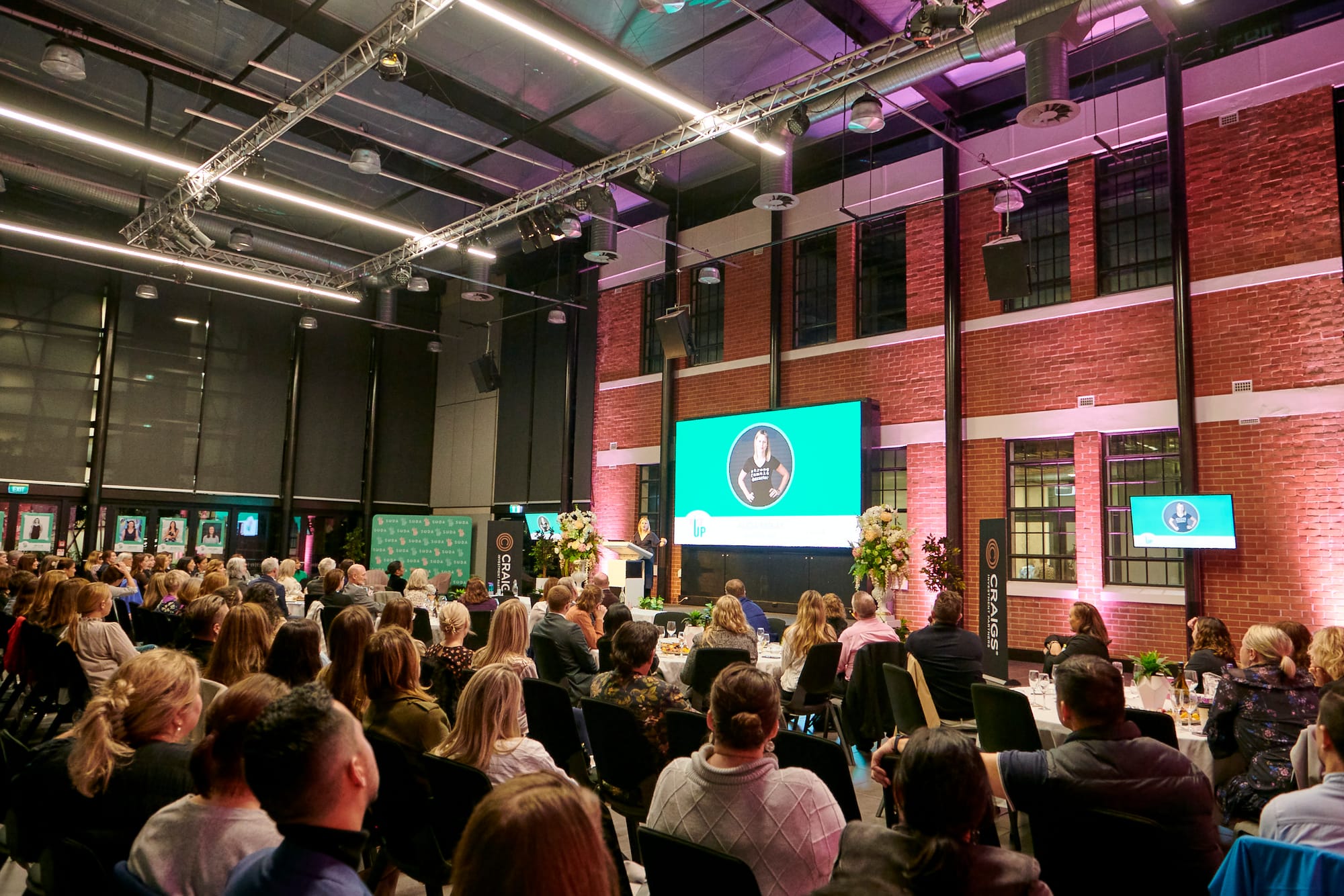 Speaking
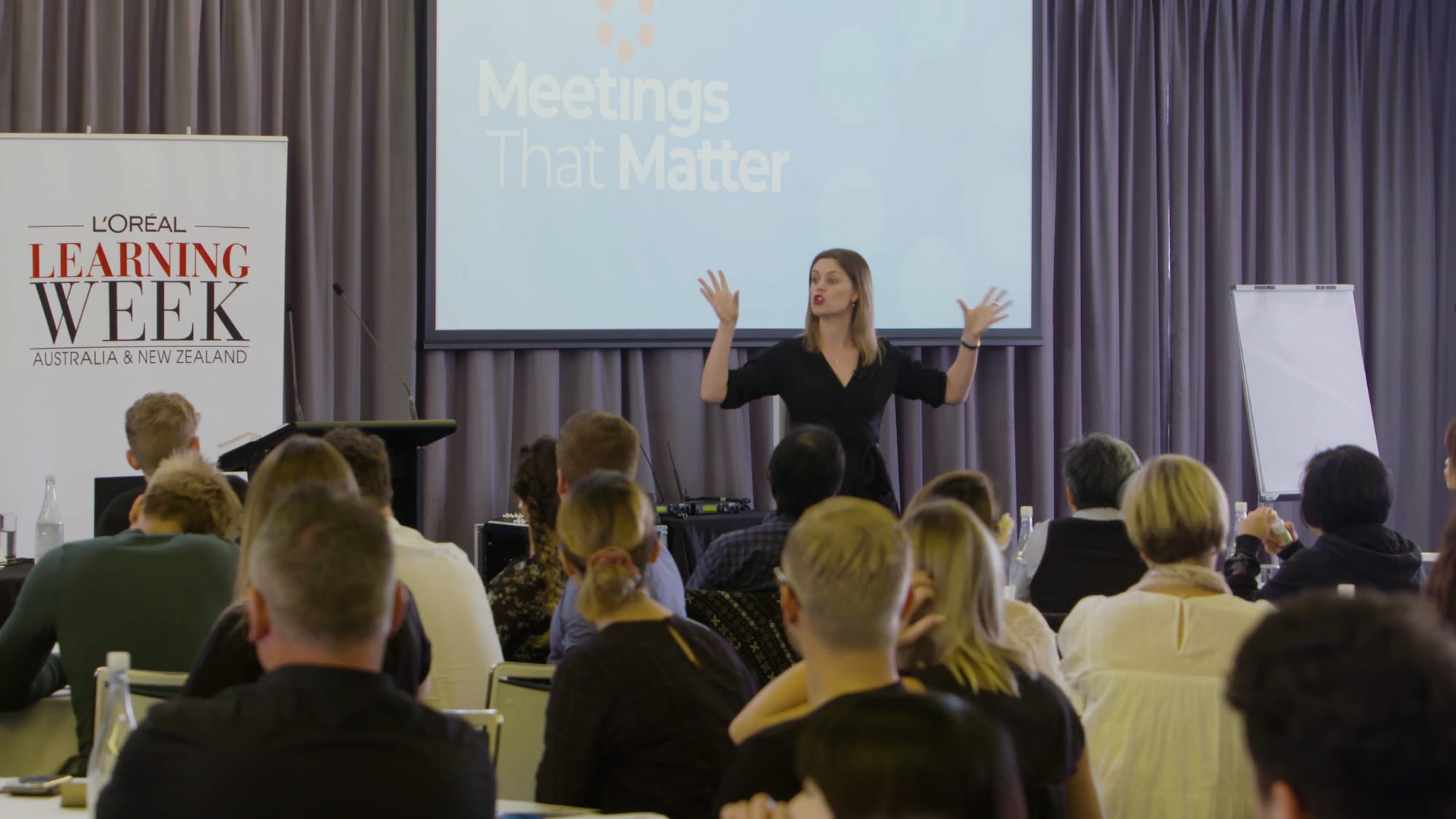 Training
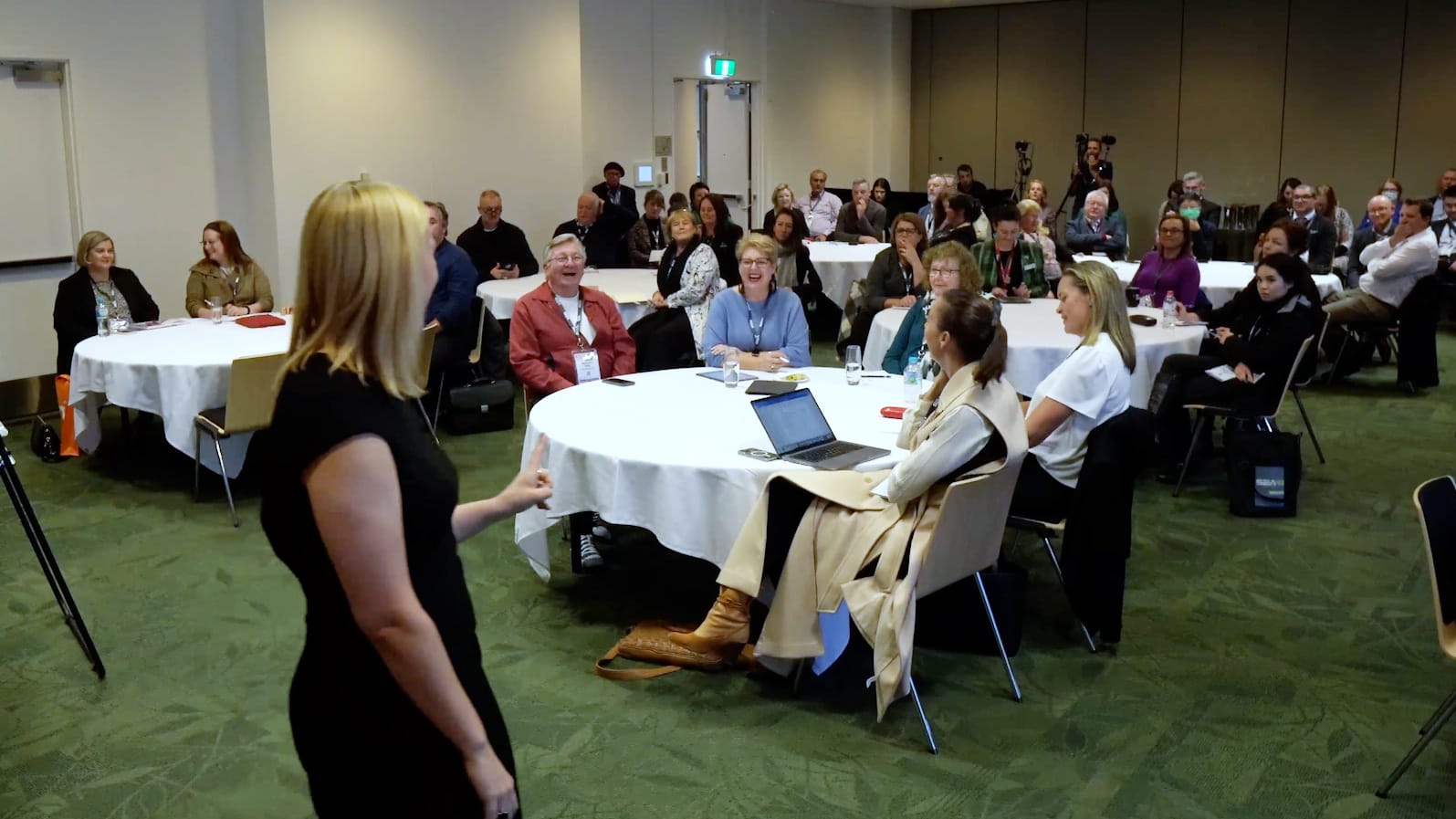


No buzzwords. No | bullshit.
I’m Alicia McKay: writer, speaker, and straight-talking strategist. I help readers, leaders, Councils, and conferences be more strategic.
Read my essays, book me to speak, or check out the Not An MBA leadership programme.
- 500+ Not An MBA graduates
- Fonterra
- Woolworths
- Hosted 1,000 mayors at ALGA
- LGIU Top 25 thinkers, 2025
- ICMA, Florida
- NZ Herald
- Sky News
- Crown Law
- NZ Treasury
- Mayors’ School
- 40,000+ on LinkedIn
- 11,000+ subscribers
New this week
Latest · Wednesday 18 November
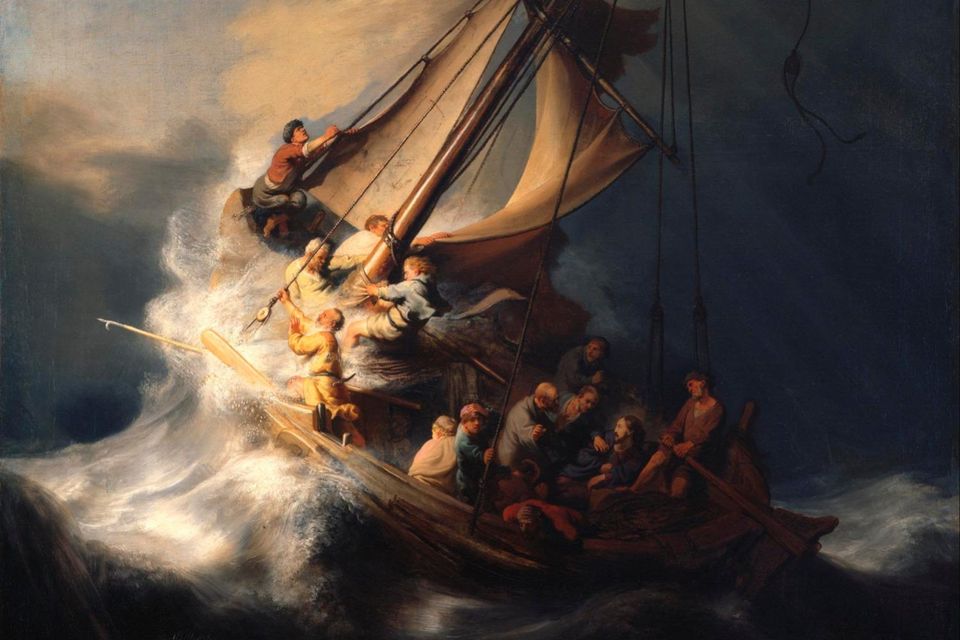
Sailing into 2027
Anchors, buoys, and boats. How I'm tackling my 2027 strategy.
It's November, which means it's just about time to give up on this year and hustle into the next one.
If you're sitting down with your calendar to plot 2027 and feeling a bit queasy about it, I feel you. It's a funny old time. People are heading into next year with less certainty than they've had since COVID, thanks to restructures, redundancies, funding cuts, AI, a sluggish economy, weird election results, wacko geopolitics, a hockey-stick shaped cost of living - and that's before we get into all the life stuff - health, kids, relationships, personal goals, et al.
Who can possibly plan under these conditions?
...You. That's who.
Most people living in the wobbly middle won't commit to a useful strategy for 2027. They'll either a) try to overplan and manage all the little variables out of panic and control-freakishness and be almost instantly disappointed when real life hits or b) give up and go with the flow.
I'm not here for either of those options. I'm taking a strategic approach, and in this article I make liberal and undeserved use of a maritime metaphor to explain how.
How I'm approaching my 2027 strategy
Strategy is how we progress our goals in changing conditions. Helping leaders make strategic decisions is my day job, so this coming year I'm eating my own dog food for my calendar.
I'm using three principles from this old chestnut.
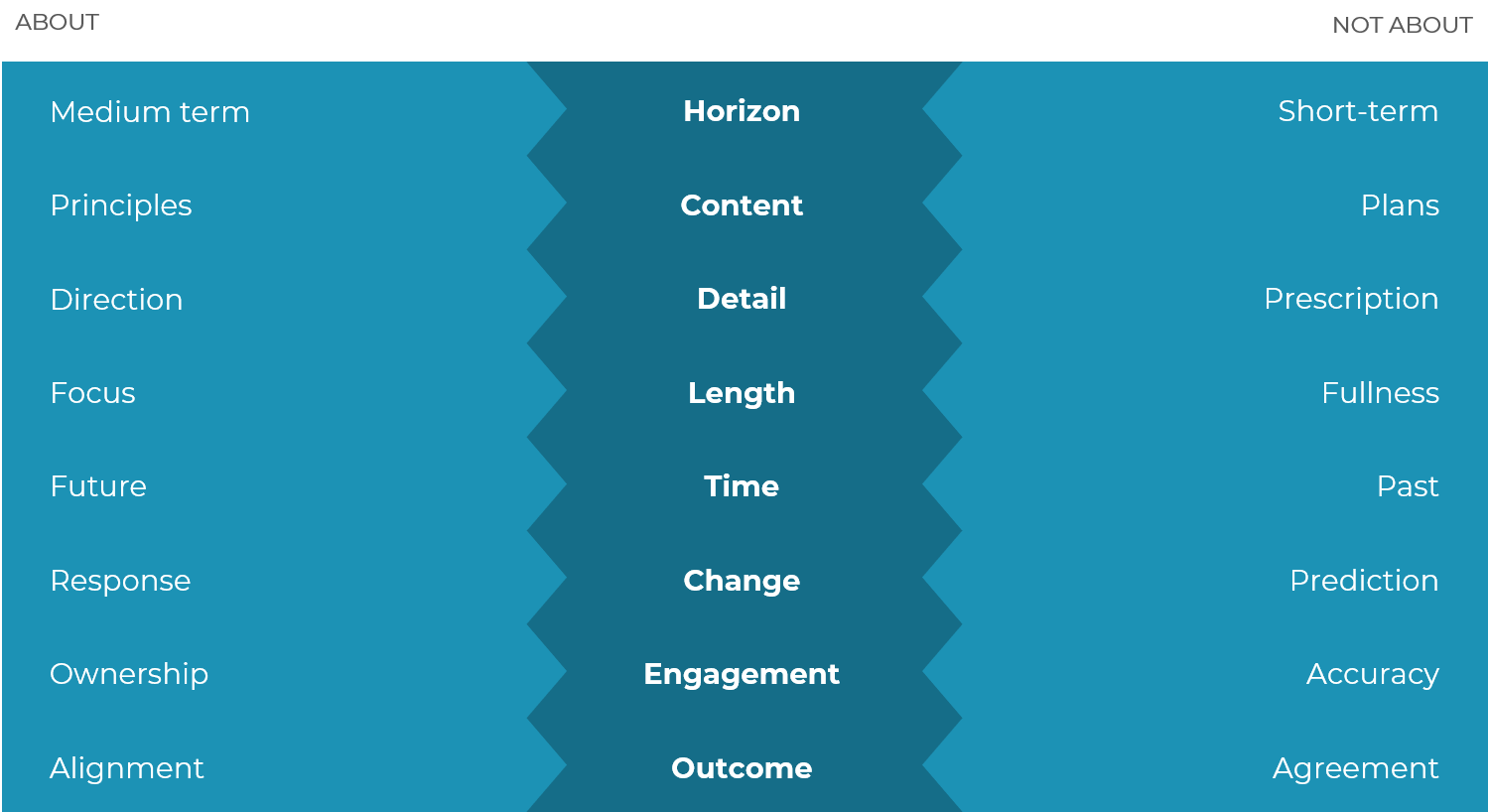
- Medium-term time horizon. The days are long, but the years are short. I'm pushing my view out to 2030, and pulling principles out of that vision to inform my 2027 direction.
- Principles over plans. Weird stuff will happen. A set of guiding principles will help me make good calls in those moments. Principles help us decide how to decide.
- Response over prediction. I don't know exactly what 2027 will throw at me. I can't predict what my clients, kids, or health will do. But I can do some 'if this/ then that' to prepare myself for likely stuff that will throw me off course.
Why I'm using a sailing metaphor
Let me be clear: I know sweet f**k all about sailing. I live near the water these days, but I grew up far too broke for a boat club. Despite this, when I sat down with my handy-dandy notebook to work next year out, I realised I kept using nautical terms - in particular: steady anchors and bobbing buoys.
Who am I to argue with the muse? And since when did we let a desire for accuracy get in the way of a good metaphor? Boating chat it is.
Sailors don't control the sea, or the weather. But they've got places to go, and a vessel to get there in. So they set their target, keep a close eye on the conditions, and adjust as they go. That's my vibe for 2027: clear on the eventual destination, resolved to a general direction of travel, foggy on the details, pragmatic about the conditions, and flexible about the route.
If you're with me, here are some tips to help you sail into 2027 (even if you also know nothing about boats).
1. Chart your course
If you don't know where you're going, it doesn't matter which way you choose. Using a medium-term time horizon pulls us out of day-to-day survival. I'm using 2030 for mine. How old will I be? What stage will the kids be at? What am I hoping my life, money, and career looks like then?
Working backwards from that vision, I can pull out some important threads I don't want to sleep on in 2027. I can see what I need to lay the foundation for, and what needs to fade away. You can do that too.
🧭 Direction-setting
- Start with your destination: where you want to be in three years or so. You can be as detailed or vague as you like.
- Use that to set your direction: what you'll need to move towards this coming year, and what to move away from. Retreat matters as much as advance.
2. Pick your channels
Channels are the main routes your year runs through, and they come from your values, and the themes that come from direction-setting.
When you have some key channels emerging (mine: bonding with my kids, creative growth, new connections), you can force some focus. What are the most important things for the coming year, to get you going? In what order?
Ask yourself: if you only managed one of your channels this year, what would it be? OK, what about one more? Stop at three, then ask yourself two questions:
- Can you commit to those things for the full year?
- Will you stay committed, even if things don't go to plan?
If you can answer yes to both, you're on your way.
3. Sort your stuff
List everything you already know about 2027 - commitments, events, goals, challenges. Sort them into three categories: anchors, buoys, and boats.
⚓️ Anchors
Anchors are locked in. They're high-priority, values-aligned, and non-negotiable. Everything else will move around them - and they will keep you from drifting when the weather turns. Mine: shared-custody weeks, contracts I've signed, events and festivals I've committed to. Anchors go on your calendar in pen.
🛟 Buoys
Buoys are probably happening, but they aren't the same priority-status as anchors, and they can shift and bob around a bit if you need them to. Mine: holidays, conferences, training. These go into the calendar in pencil.
(Not sure whether something is an anchor or a buoy? Ask whether it will happen if you don't lock it in. Then ask whether locking it in gives good things more room to find you, or less. If more: throw down the anchor. If less: keep that buoy bobbing for now.)
⛴️ Boats
Boats are on the move, and someone else decides if and when they sail - and whether you'll be on it! For me, that's work in the pipeline, writing courses, publishing deals. Yours might be: a job application, a funding bid, or a promotion round. Boats can carry you a long way if you get on board, but it's not up to you. Scaffold them with a plan B, and don't let them compromise your anchors.
4. Map your time
With your anchors, buoys, and boats in the calendar, take a step back. How are things looking? How are they spread out? Have you got margin and down-time, or are there heavy periods to be wary of or adjust?
I've got two Not An MBA cohorts in the calendar, with a few months in between, some conference and training work booked, and school holidays and kid events. Reviewing the space around those helps me to understand what I will need to protect or keep clear, and where I've got room to focus on big projects.
If we're going to keep abusing and extending this metaphor (and why not, we've come this far), let's make sure we're leaving some open, unchartered waters.
This is time you deliberately leave unbooked, giving serendipity has a chance to show up. Opportunities will arise you can't even imagine yet, and you'll need room to say yes to them. This is, I understand, how restaurants and hairdressers work their bookings too - they leave margin for VIP clients and unexpected events.
5. Stock your provisions
Provisions are what keep you going: energy, sleep, food, movement, and money. Most years, these sit quietly in the background, ticking over as part of your daily and weekly routines. But if one or more of them runs dangerously low, you're up shit creek without a paddle, no matter how cool your calendar looks! How are your provisions right now? Do you need to do a restock before you get going?
6. Keep an eye on the forecast
You can't control the weather (especially if you're silly enough to live in Wellington like I do). But rainy days are a given, and seasons rarely come as a surprise. What's on your radar this coming year? School holidays, winter doldrums, the end-of-year crunch, the month your business goes gangbusters? Kids sitting exams? Milestone birthdays? List the stuff you can see coming, and prepare for it now.
Then there are the disasters - shitty stuff like illness, death, divorce, restructures, and god knows what else. You won't know which will hit you this year, but assume you'll get one or two doozies. Expect disaster, and decide in advance what you'd drop to handle them. (Hint: it's buoys, not anchors.)
7. Set decision rules
Then plan is just part of the job. Strategy is something you do, not something you have - so it's the decisions you make throughout the year that turn your strategy into reality (or not). Decide some rules now to help make on-the-spot choices easier, guided by your anchors.
Mine: only take out-of-town speaking gigs if I can take a kid or two with me, protect a full writing day each week, put social connection ahead of 'jobs' (admin, housework etc) if they conflict.
Your rules will be different, but they'll be handy filters for when the trade-offs need making (and rest assured, they will need making!)
More broadly, you can use your direction to decide how to handle new opportunities, requests, and crises throughout the year. You might ask questions like:
- Does this move you towards your 2030 destination, or away from it?
- Does it align with your main channels?
- Would it compromise any of your anchors?
- Will this stock your provisions, or drain them?
Set sail
2027 will be whatever it is. There will be headwinds and tailwinds, unexpected opportunities and terrible disasters, favourable and unfavourable conditions, and much of it isn't up to you.
But you always have a say in whether you end the year closer to your desired future or further away from it.
If you've read this far, I hope my clumsy extended metaphor was useful.
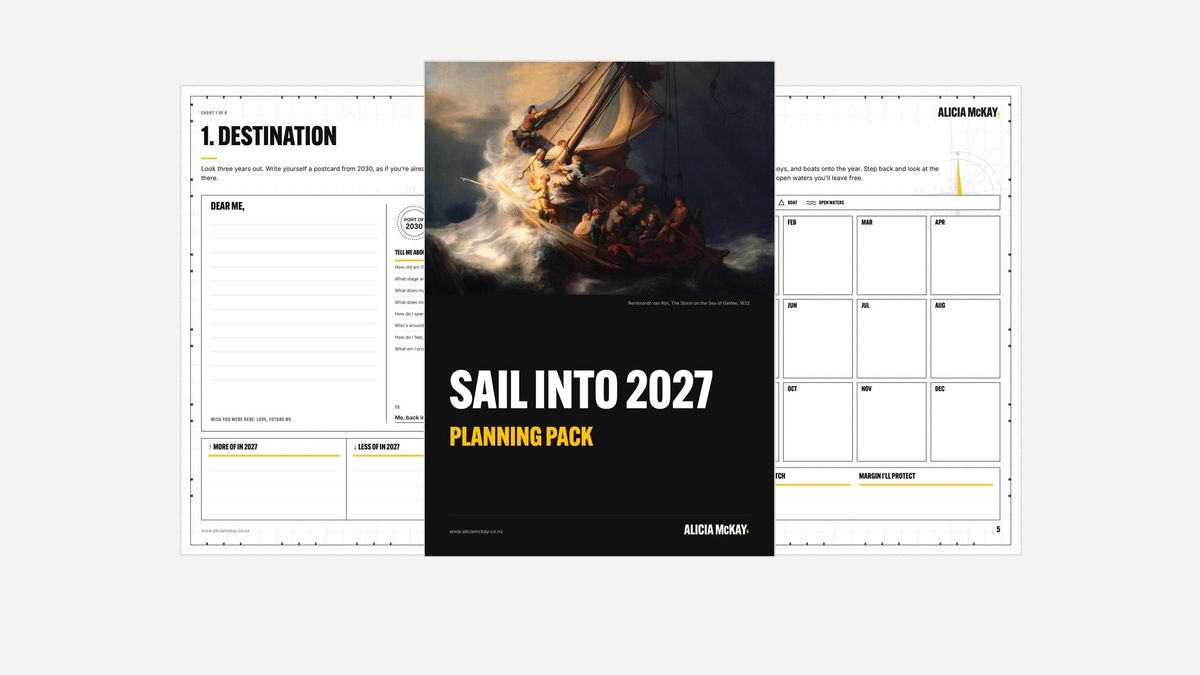
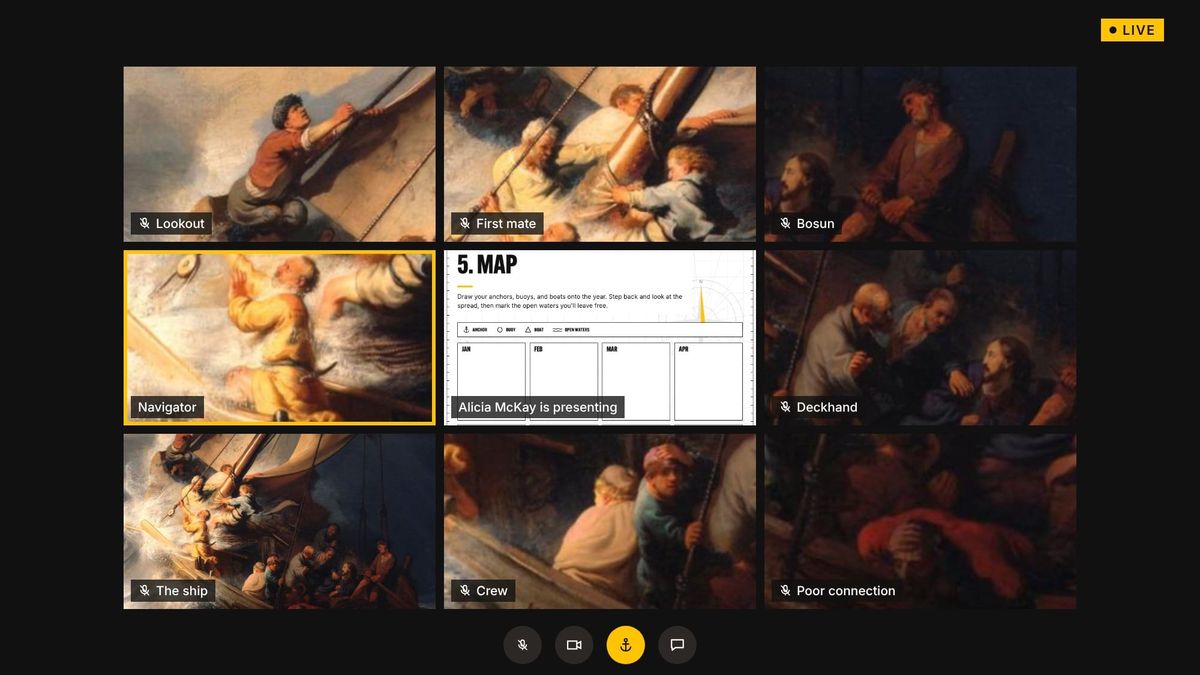
If you're a paid member (or become one) you can access a fillable PDF to help you work through this process yourself. I'm also running a live online workshop on Thursday 26 November to work through this process together over an hour or so. The links are below. I'd love to see you there.
Til next week,
A
 Alicia McKay
 Alicia McKay
About Alicia McKay
I’m a former foster kid, teen mum, and high school dropout who talked my way into university at 17.
Since then I’ve worked with over 120 organisations and some of New Zealand and Australia’s most senior leaders, written three books, trained thousands of people in strategic skills, and facilitated strategic change at places like Auckland Council and Crown Law.
These days I read, write, and teach. I read over 100 books a year, have written Wednesday Wisdom each week since 2018, and graduated 500+ leaders through Not An MBA.
From foster care to own boss: how a teen mum defied the odds. — NZ Herald, 2025
My philosophy
Strategy isn't something you have. | It's something you do.
I love strategy. It's the underdog's greatest asset! But corporate culture has ruined it with buzzwords and documents. Bleurgh. Strategy isn't a thing; it's a behaviour. Dream big, get clear on what matters to you, then turn your ideas into reality through aligned daily choices. Simple (but not always easy.)
Everything you'll find here - essays, tools, videos, and training - will help you become more strategic. Think for yourself, see more clearly, make better decisions, and live on your own terms.
“When the world feels like it’s being driven off a cliff, Alicia helps you grab the wheel.” Michael Sharpe, reader
Writing
I read widely, think deeply, and write plainly.
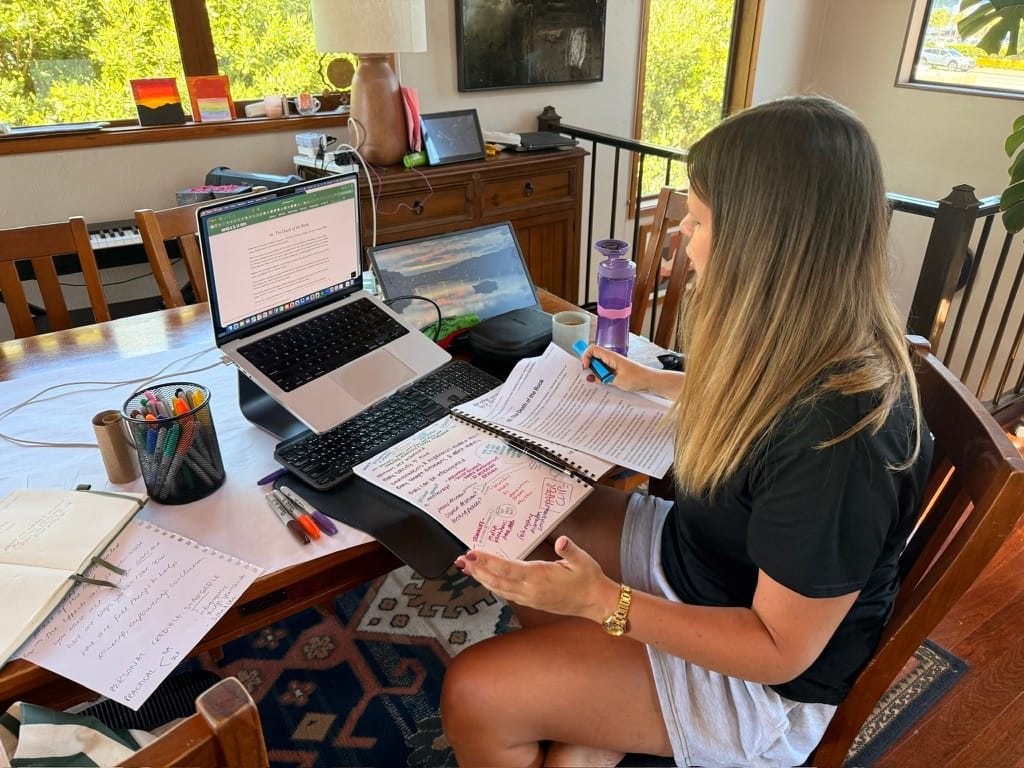
I've been reading and writing my way to sense since I was a kid. When I'm facing a tricky problem or the noise in my head is too loud, I pick up a book, go down a rabbit hole, and put it on the page. A few years ago, I realised this wasn't just a weird quirk, but one of the most valuable things I had to offer.
Strategy and writing are the same sort of job. Both of them start with a hunch or a question, both get messier before they make sense, and both make the world feel more manageable by the end. I bring the same skills to my essays as I do to my workshops: digging into context, asking curly questions, sorting through what matters, and deciding what to do with it.
My writing brings together my professional experience, bogan voice, and manic nerdery to put a complex world into plain English.
Wednesday Wisdom
A free weekly newsletter on strategy, systems, work, and society. Every Wednesday since 2018.
Friday Flurry
For paid members. A behind-the-scenes peek into what I’m reading, thinking about, and working on, every second Friday.
These are a drop of sanity and therapy for me on days when I am on edge. — Idil Kaplan
Your analysis always makes me think, while being really readable and direct. Thank you! — James Adams
You keep it real, there’s no BS. Every time I read one of your emails, I’m like ‘Yes!!!’ The topics you cover are interesting, relevant, and you get my mind cranking. — Sam Hope
Subscribe
Weekly ideas about strategy, systems, work, and society. Read by over 11,000 people.
An eight-week live online course for experienced leaders working in complex, changing systems. Learn the five skills of strategic leadership from You Don’t Need An MBA.
By the end, students:
- Respond more confidently to change and uncertainty.
- Set firmer boundaries around their time and energy.
- Make better, smarter decisions.
- Tackle systemic issues in their organisations.
- Lead more authentically and with greater passion.
More than 500 senior professionals have graduated from Not An MBA since 2021, from councils and government to construction, banking, FMCG, science, and tech.
Not An MBA shifted my thinking to be wider than me and my team, to think at an organisational level. I needed this course. I wish I had enrolled earlier. — Veronique Gibbons, Pinnacle Midland Health Network
Books
Three books on strategy, change, and leadership.
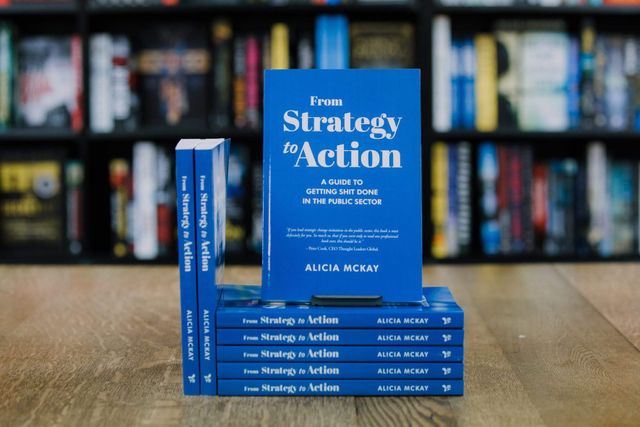 From Strategy to Action
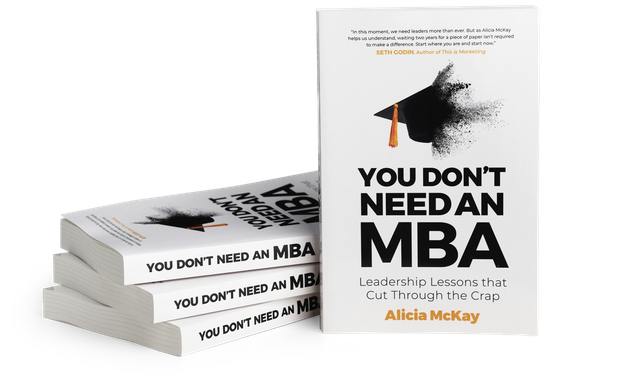 You Don't Need An MBA
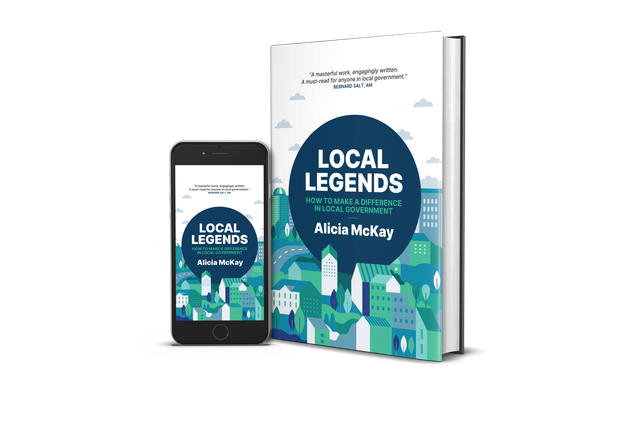 Local Legends